

Research Question Map
Deconstruct broad thematic inquiries into testable operational sub-questions and isolate foundational hypotheses across papers.
- PICO/SPIDER breakdown
- Scope boundary parameters

Map research questions, study roles, findings, limitations, contradictions, and evidence gaps across a literature set.

Distinguish core questions across studies to avoid conflating different operational objectives.
Inspect Question Template →Trace opposing empirical results back to methodological boundaries and population differences.
Inspect Conflict Matrix →Aggregate study designs, sample sizes, variables, and verified outcomes in one rigorous sheet.
Inspect Synthesis Grid →Collecting papers in folders creates a digital repository, but effective research synthesis requires structural clarity. Moving beyond isolated references into systematic evidence mapping transforms fragmented citations into a coherent literature review matrix.
Storage & Bibliographic Records
Synthesis, Correlations & Gaps
Apply systematic mapping methods to your ongoing research project.
EvidenceMap Workbook resolves literature fragmentation, helps isolate conflicting findings, and bridges synthesis gaps for rigorous academic workflows.
Master qualifying exams and thesis chapters by transforming isolated citation lists into an audit-ready conceptual matrix without missing foundational papers.
Systematically verify evidence patterns across multi-year studies, separate factual methodological variations from actual theoretical disagreements.
Translate high-volume reference libraries into fluid prose outlines with precise evidentiary attribution, preventing writer block and narrative drift.
Standardize appraisal parameters across multi-author systematic syntheses to ensure uniform data extraction and transparent inter-reviewer agreement.
Execute comprehensive screening protocols faster with guided worksheets designed for extracting variables, cohort parameters, and statistical indices.
Combine practical evidence mapping with your existing citation manager. Complete systematic syntheses with verified bibliographic precision.
Transform complex academic literature into actionable conceptual frameworks. Each worksheet systematically scaffolds your research synthesis before drafting literature reviews.
Deconstruct broad thematic inquiries into testable operational sub-questions and isolate foundational hypotheses across papers.
Classify empirical contributions by seminal influence, replication status, contextual variation, and methodology extensions.
Align quantitative, qualitative, and mixed-method protocols side-by-side to expose statistical confounding factors.
Evaluate demographic criteria, geographical context, and inclusion boundaries to prevent false equivalence.
Structure core empirical outcomes across shared dependent variables for clean cross-study tabular evaluation.
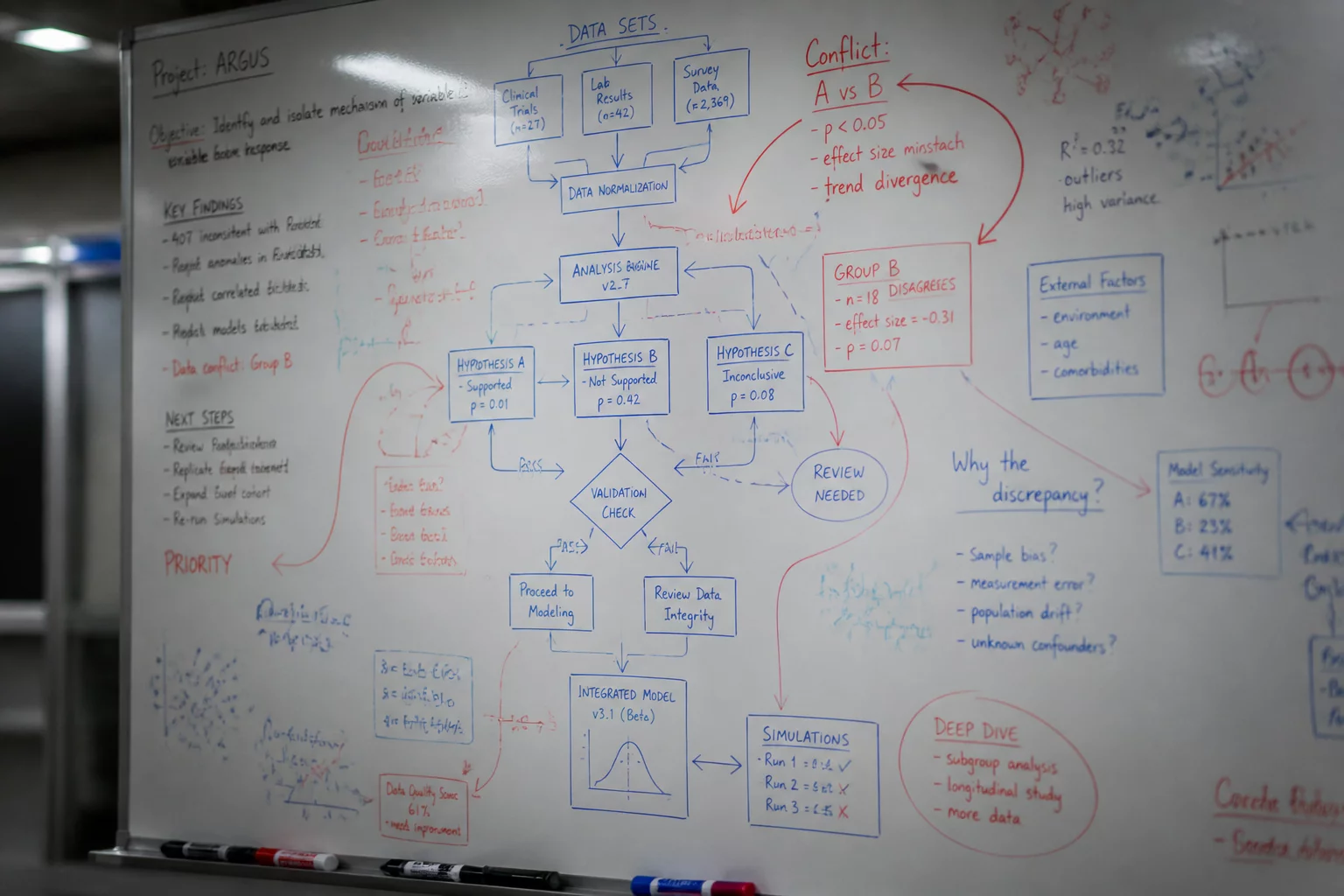
Isolate conflicting findings across studies to diagnose underlying methodological divergence and variable nuances.
Distinguish true empirical gaps in the literature from search query oversights with precise bibliographic diagnostics.
Map qualitative and thematic findings into cohesive outline sections for rigorous academic research synthesis.
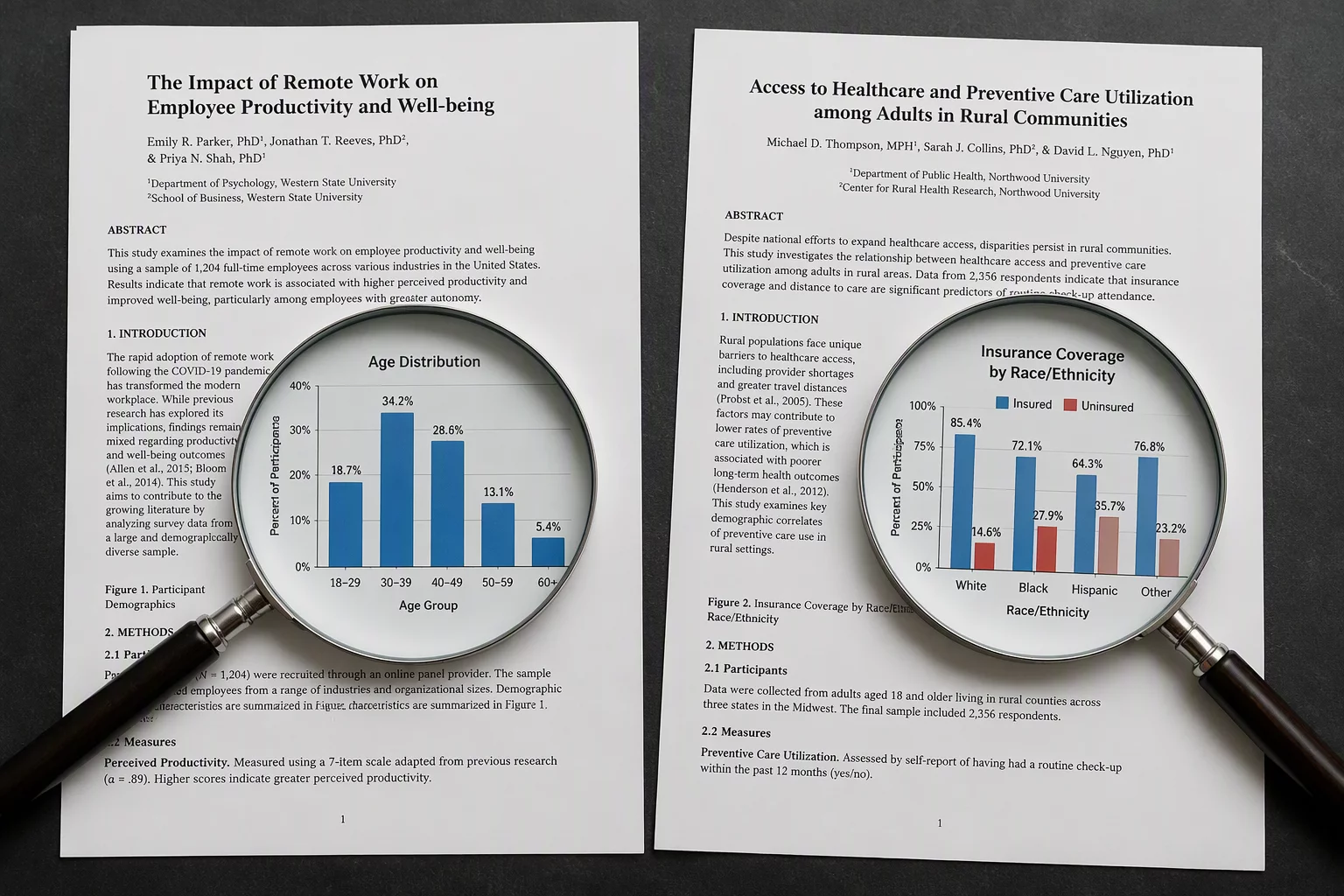
Concluding that “all studies agree” creates a dangerous false consensus when each cohort represents distinct age brackets, clinical baselines, or institutional environments. Contrast surface claims with demographic reality.
Reported significant retention improvements over a 12-week intervention cycle.
Demonstrated statistically significant memory test performance gains.
Confirmed higher recall scores compared to passive control groups.
Observed positive outcome variance under guided digital practice.
Use the structured worksheets inside EvidenceMap Workbook to record demographic strata, setting dependencies, and sample thresholds before drafting your literature review outline.
Compare how systematic matrix structuring transforms scattered bibliographic files into high-yield academic synthesis.
How raw citations and reference lists are organized prior to drafting.
Reconciliation of divergent empirical results across multiple trials.
Tracking demographic constraints and study design variables.
Speed and clarity when transforming notes into manuscript sections.
Most academic literature reviews stall not from a lack of papers, but from flawed preliminary synthesis methods. Discover the four critical errors researchers make and their true cost in time and academic capital.
Researchers conclude an evidence gap exists simply because their initial keyword queries failed to capture interdisciplinary terminology or alternative indexing terms.
2 to 4 months wasted proposing redundant theoretical models, resulting in immediate manuscript rejection for failing to cite foundational precedent.
Pre-structured terminology matrix sheets systematically test cross-domain synonyms before synthesis begins.
Compiling bibliography notes author-by-author without cataloging overlapping variables, resulting in an uncritical narrative that acts like an annotated bibliography.
60+ rewriting hours after committee critiques identify a lack of analytical depth, critical tension, or thematic organization.
Multi-axis matrix worksheets align variables across studies prior to any paragraph drafting.
Treating studies with similar title keywords as directly comparable while disregarding fundamental differences in sample populations and experimental controls.
Severe credibility loss during peer review, often triggering mandatory structural redesign of meta-analysis tables.
Standardized sample-comparison cards isolate cohort differences before aggregating claims.
Opening a blank document and writing prose without resolving contradictory findings, resulting in meandering chapter sections that lack argumentative progression.
$1,200+ in developmental editing or multiple rounds of supervisor revisions to rebuild basic logic flow.
Visual relationship trees convert grouped evidence clusters directly into structured review headings.
A step-by-step academic workflow establishing your evidence database, bibliographic taxonomy, and synthesis matrix across defined calendar milestones.
Establish reference libraries, define study inclusion parameters, and configure custom field matrices for initial citation screening.
Conduct multi-dimensional study comparisons, tag conflicting methodologies, and isolate underlying population variations across studies.
Consolidate evidence clusters into a finalized review outline with structured section headers, source distributions, and verified thematic links.
Select a dedicated methodology session to align your research questions, review matrices, and literature synthesis workflows with structured frameworks.
Select the session length and analytical scope best aligned with your current review stage.
Quick evaluation of your current source categorization scheme and identification of blind spots.
Comprehensive setup of custom reference tags, extraction sheets, and cross-study comparison rules.
In-depth synthesis structuring, resolving conflicting literature findings, and outlining the final narrative.
Selected session: 30-Min Literature Matrix & Gap Diagnostic
Structured analytical frameworks designed to resolve evidentiary conflicts, identify research gaps, and accelerate review synthesis.
Deconstruct varied analytical lenses and align research questions across overlapping domain publications.
Systematically categorize opposing experimental results, sample variances, and contradictory claims.
Examine demographic subtleties, participant criteria, and hidden cohort differences before mapping synthesis.
Differentiate genuine conceptual omissions in scientific literature from inadequate search protocol coverage.
Systematic frameworks, mapping techniques, and evidence extraction strategies to streamline your scientific literature review.
Understand the fundamental architecture of synthesis protocols and prepare your evidence matrix before writing your academic review.
Build coordinate-based matrices that categorize complex study parameters, preventing information overload across dense bibliographies.
Differentiate between true conceptual gaps and search methodology limits using structured evidence triangulation methods.